GTA 6, Through an Engineer’s Eyes
9.5/10
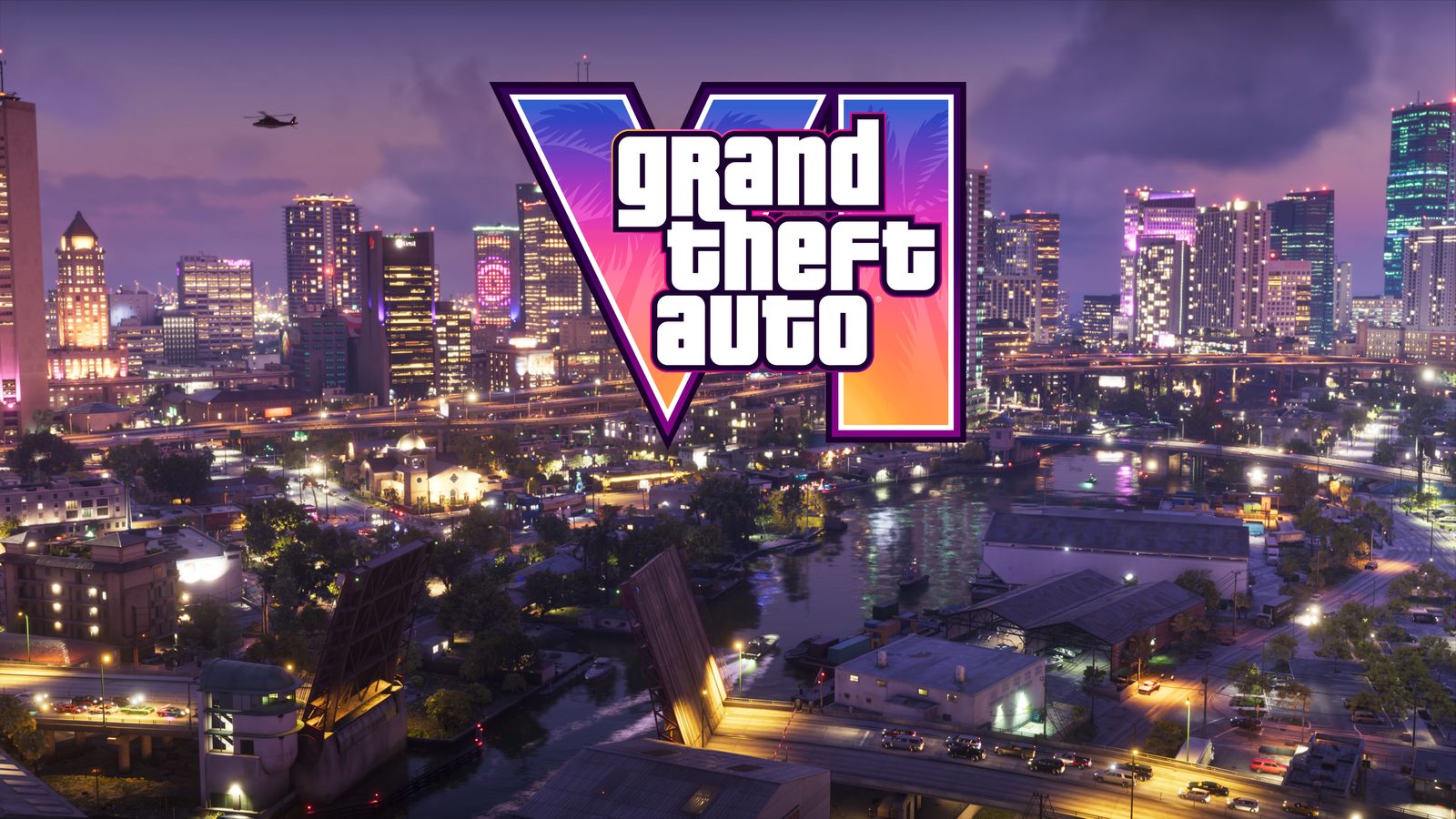
9.5 out of 10. I’ve put 10–12 hours into Grand Theft Auto VI on PS5, and the thing that’s stayed with me isn’t a heist or a car chase. It’s the chores.
In my first dozen hours I fixed my leaky roof. I picked up some rum from a liquor store that was shadier than it needed to be. I played far too many games of pool. And I read an in-game book about World War 2 soldiers with a penchant for teabagging, a joke written for exactly the kind of player who stops to read a book in GTA.
None of that moves the story forward. All of it had to be built.

A roof you can fix. A repair only matters if the world remembers it. That means persistent state: something the save system writes, the world reads back when it loads, and the renderer respects every time you walk past. Multiply that by every door, purchase and repair on a map this size and you have a state-management problem any backend engineer would recognise.
A shady liquor store. Every shop is an interior that has to stream in as you walk through the door, a shopkeeper who has to react to you, and an item that has to land in your inventory. Three systems, streaming, AI and game state, agreeing with each other over a bottle of rum.
Pool. A minigame that’s really a physics simulation plus an AI opponent. The balls have to behave believably frame after frame, and the opponent has to be beatable without being a pushover. “Way too many games” is the best bug report a physics programmer can get.
A book nobody had to write. Someone wrote it anyway, jokes included. Content with zero gameplay reward is the clearest sign of a team building a world rather than ticking off a checklist, and it still had to be written, reviewed and shipped like any other text in the game.
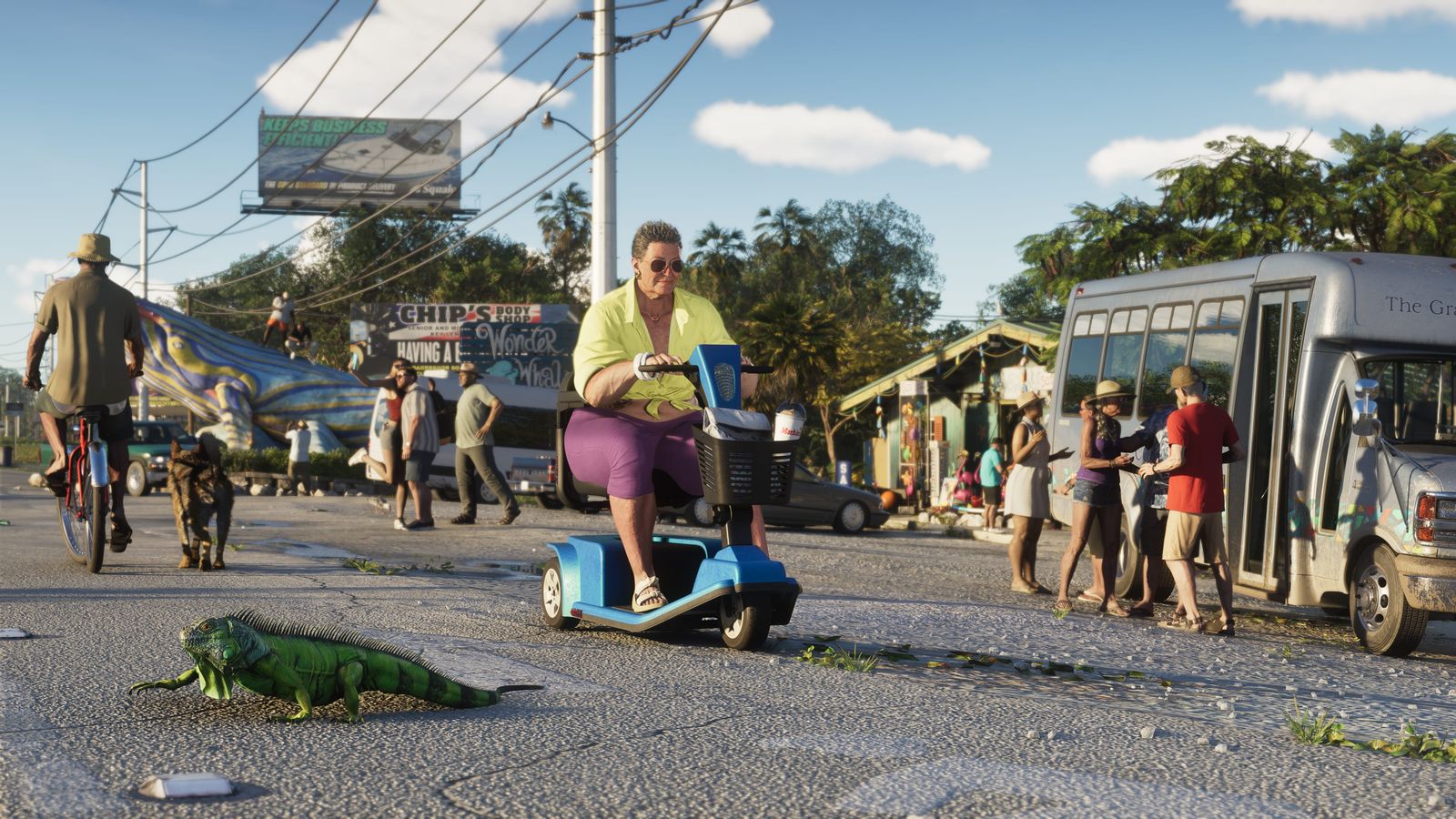
GTA VI runs at 30 frames per second on both PS5 and PS5 Pro. Digital Foundry’s analysis puts the internal resolution at roughly 1440p on both consoles. The Pro reconstructs that to something close to 4K with PSSR, Sony’s machine-learning upscaler, and adds ray-traced shadows. Both get ray-traced global illumination and reflections.
The interesting part, for an engineer, is why it’s 30. Digital Foundry’s view is that the game is limited by the console’s CPU, not its GPU. At 30 fps every frame gets 33.3 ms; at 40 fps it gets 25 ms. Those 8 milliseconds have to come from somewhere, and in a world this busy the CPU is the part simulating the traffic, the crowds and the physics. You can upscale your way out of a GPU budget. You can’t upscale your way out of a CPU budget.
On a base PS5, Digital Foundry measured small, frequent dips below 30 in normal play, and drops into the low 20s during heavy, explosion-filled fights. It’s a deliberate trade: Rockstar spent the frame budget on a world that reacts to you rather than on frame rate. After the roof, the rum and the pool table, I understand why.
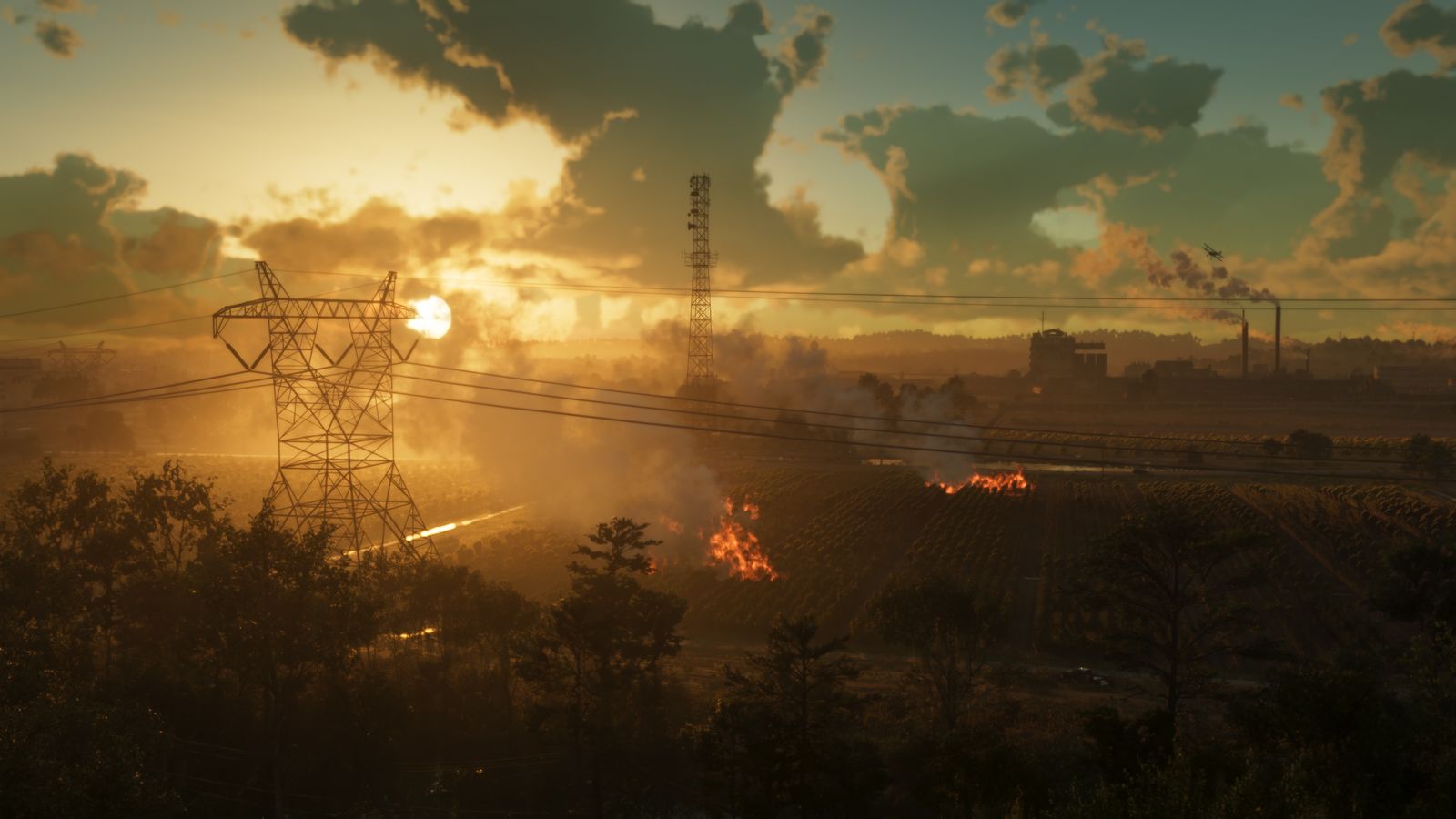
Detail compounds. None of those moments is impressive on its own. Together they make a world feel real. Products work the same way: small things done right add up to trust.
Persistence is a feature. People notice when software remembers them, whether it’s a fixed roof or a saved preference. (It’s why this site now remembers whether you picked light or dark mode.)
Decide what your budget is for. Rockstar chose simulation over frame rate and committed to it. Every system has its own version of those 33 ms, whether that’s a latency budget, memory or a user’s attention, and deciding what gets it is the real design work.
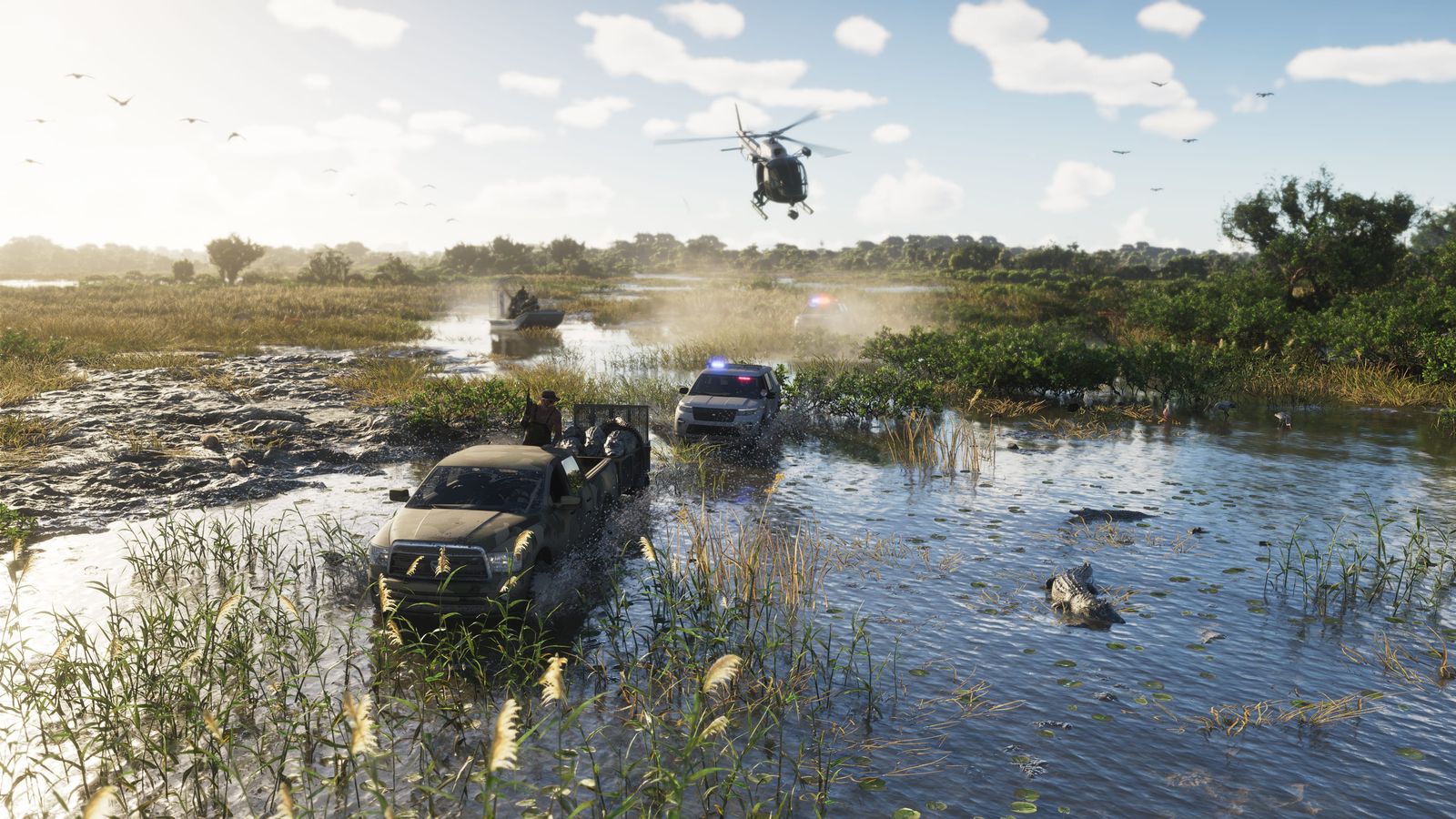
9.5/10. The best compliment I can give GTA VI as an engineer is that its most impressive systems are the ones you’d never notice, until you find yourself racking up your fifth game of pool.
Screenshots and logo: official Grand Theft Auto VI media, © Rockstar Games (source). Performance figures: Digital Foundry’s PS5 and PS5 Pro analysis, as reported by TweakTown.